
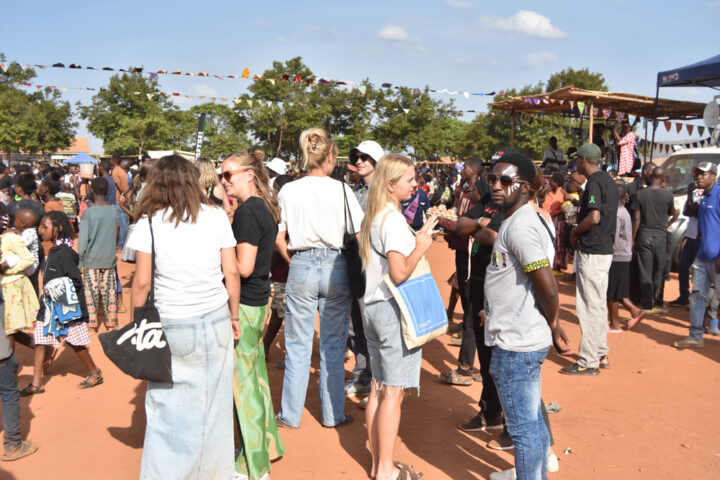
Storytelling for tourism: Turning Malawi’s heritage, nature & culture into global appeal
Malawi is rich in stories—of landscapes, people, traditions, conservation successes, and quiet resilience. Yet many of these stories never reach the global audience searching for meaningful travel experiences.
In today’s tourism economy, storytelling is not a “nice-to-have”. It is a strategic tool that shapes perception, value, and demand.
This article explores how tourism, conservation, and cultural organisations in Malawi and Southern Africa can use intentional storytelling to attract travellers, partners, and funding—while strengthening local identity.
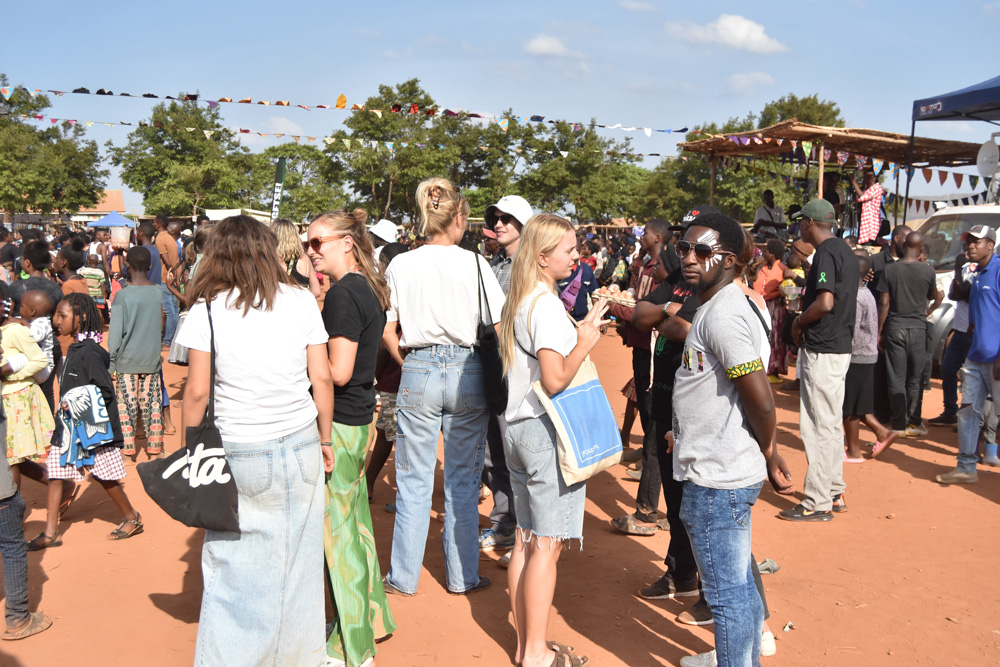
1. Why storytelling matters more than marketing
Marketing tells people what you offer.
Storytelling explains why it matters.
Travellers increasingly seek:
- Purpose-driven travel
- Cultural connection
- Ethical and conservation-focused experiences
- Storytelling bridges the gap between place and meaning.
In practice, a lodge is not just accommodation.
It is:
- A gateway to a landscape
- A link to a community
- A contributor to conservation
Stories communicate this in ways price lists cannot.
2. Malawi’s untapped storytelling advantage
Unlike mass tourism destinations, Malawi offers:
- Intimacy
- Authenticity
- Unfiltered cultural and environmental narratives
These are powerful assets.
Strong storytelling themes in Malawi include:
- Community-led tourism initiatives
- Lake-based livelihoods and traditions
- Conservation recovery stories
- Art, music, and everyday cultural expression
- Slow travel and meaningful connection
Yet many websites and brochures reduce this richness to a few generic paragraphs.
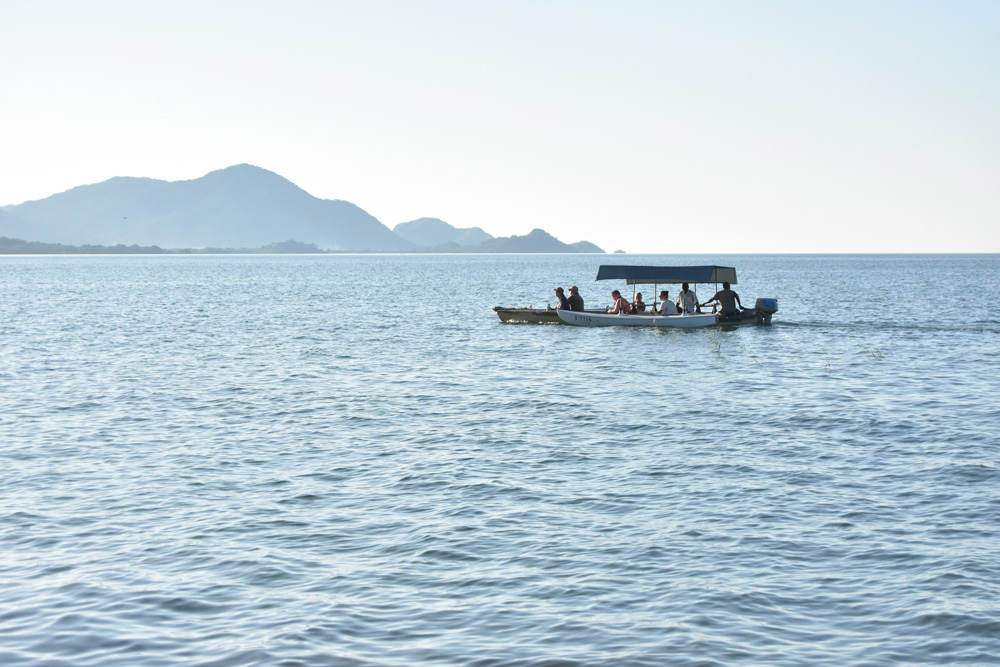
3. What good tourism storytelling looks like
Effective storytelling combines content, structure, and design.
Core Elements:
- Human perspective – voices of guides, artisans, rangers, hosts
- Visual narrative – photography that shows process, emotion, scale
- Context – history, conservation challenges, cultural significance
- Purpose – why this experience exists and who benefits
This approach builds trust with:
- International travellers
- Tour operators
- NGOs and donors
- Media and publishers
4. Digital platforms are the home of modern stories
Storytelling today lives primarily on digital platforms:
- Websites
- Blogs
- Online publications
- Email newsletters
- Social media (as an amplifier, not the foundation)
Key digital storytelling tools:
- Long-form blog articles
- Photo essays
- Interactive maps
- Short documentary-style videos
- Downloadable guides or reports
Importantly, these assets should live on your own website, not only on social platforms you don’t control.
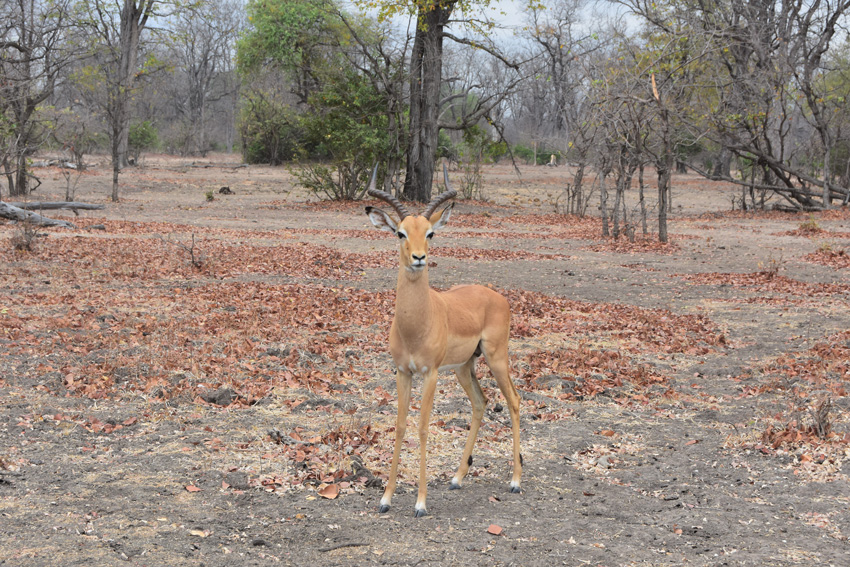
5. Storytelling as a revenue & partnership tool
Strong storytelling directly supports:
- Higher-value bookings
- Longer stays
- Strategic partnerships
- Funding and sponsorship opportunities
For conservation and cultural organisations, storytelling:
- Attracts donors
- Builds public understanding
- Strengthens legitimacy
For tourism businesses, it:
- Differentiates you from competitors
- Justifies premium pricing
- Builds long-term brand equity
6. Common mistakes to avoid
Many well-meaning organisations fall into these traps:
- Overly generic language (“hidden gem”, “untouched paradise”)
- No clear narrative structure
- Poor visuals
- Stories disconnected from booking or enquiry pathways
Storytelling must be intentional and integrated, not an afterthought.
Final thoughts: Story is strategy
In Malawi and across the SADC region, the future of tourism belongs to those who can:
- Clearly articulate their value
- Respect and represent local voices
- Use digital platforms to tell honest, compelling stories
Storytelling is not replacing marketing. It is making marketing meaningful.
How Project4 supports story-led tourism brands
At Project4, we help tourism, conservation, and cultural organisations:
- Develop story-driven websites
- Create photo and written narratives
- Design content strategies aligned with real experiences
- Turn stories into digital assets that attract clients and partners
If your work has meaning, it deserves a platform that communicates it clearly and beautifully.
